
Articles & Signals
Articles on K-RE100, KEPCO tariffs and CBAM
Explainers written for suppliers to Korean manufacturers, plus buyer and regulator announcements. 19 article(s) in total.
One Peak Reading Can Hold Your Basic Charge for a Year
Maximum demand is the highest of the interval average power readings, and it sets the basis for the basic charge. This piece covers the 7 billing-target months set out in Article 68 of KEPCO's Basic Terms of Supply, the 30% floor on contract power, and the steps for checking and lowering the peak.
Contract Power: Why Your Plant Was Given That Number
Contract power isn't actual usage — it's a value set in advance from a factory's equipment capacity. This piece covers how the conversion-rate calculation in Article 20 of KEPCO's Basic Terms of Supply works, how to check it, and how contract power drives up the basic charge every month.
Using a Factory ESS to Shave the Evening Peak: The Payback Maths
The economics of ESS peak shaving come from the price gap between off-peak nighttime and peak hours. The April 2026 industrial rate reform widened that gap by elevating the evening 18:00-21:00 window to peak status. This piece uses an assumption-based example to cover the payback period before and after the reform, the site conditions where it works best, and available subsidies and tax benefits.
How to Read a Korean Industrial Electricity Bill and Find the Leaks
For an industrial electricity bill, you only need to check four things in order: contract power, maximum demand, usage by time band, and power factor. Nearly every sign of wasted power in a factory shows up in these four items. This piece points out where each item appears on the bill and which numbers signal waste, from a factory manager's point of view.
Where the Savings Sit by Sector: Semiconductor and Auto-Parts Suppliers
For semiconductor plants, 24-hour temperature and humidity control drives electricity costs; for auto parts plants, it's the morning peak and compressors. This piece covers how each industry's power consumption structure differs from general manufacturing, industry-specific savings points, three things both industries should check, and how much can actually be saved.
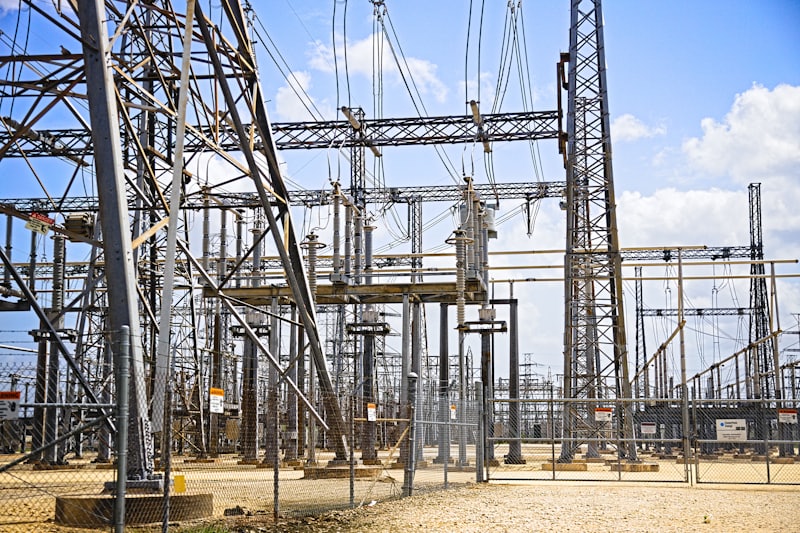
Korea's Industrial Electricity Tariff End to End: Basic Charge, Energy, Power Factor, Peak
Industrial electricity bills are made up of the basic charge, energy charge, power factor charge, climate and environment charge, and fuel cost adjustment. Starting from the basics, this piece covers how contract type and maximum demand shape the bill, whether lowering contract power is always a win, three real reasons rates are rising, and three things to check right now.
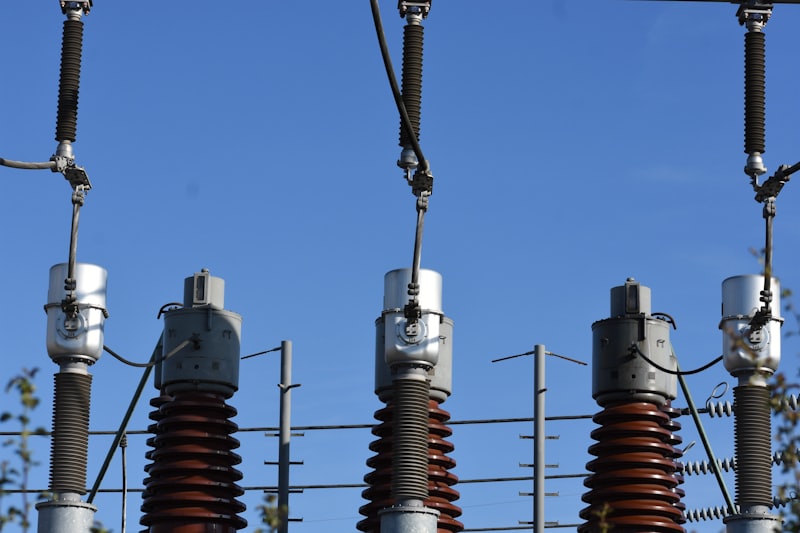
Five Ways to Cut a Korean Industrial Electricity Bill Without Buying Equipment
Before investing in solar or new equipment, here are five ways to cut electricity costs just by changing how you operate. This piece covers peak load spreading, using off-peak nighttime hours, power factor improvement, contract power optimization, and standby power management, from a factory operations standpoint. Most of these can be applied starting today at no extra cost.