
Articles & Signals
Articles on K-RE100, KEPCO tariffs and CBAM
Explainers written for suppliers to Korean manufacturers, plus buyer and regulator announcements. 33 article(s) in total.

EU CBAM Starts Charging Soon: A Readiness Check for Korean Exporters
The EU CBAM enters full implementation in 2026. This piece covers why suppliers that don't export directly to the EU are still affected through their client companies, a 4-step self-check for figuring out which preparation stage you're at, an assumption-based example for estimating cost, and three things to do right now plus reporting tips.

Does RE100 Reach Your Company? An Eight-Question Self-Check
RE100 isn't just a big-company issue. Major global and domestic corporations are now pushing renewable energy requirements down through their supply chains to small and mid-sized manufacturers. If 3 or more of 8 checklist items apply to you, it's time to start preparing. This piece covers the 3-minute self-check questions, how to interpret the results, and three practical actions for each outcome.

The Higher Korean Tariffs Go, the Better PPAs Look: The 2026 Reform and the RE100 Maths
As the industrial rate reform pushes up the evening peak unit price, PPA's long-term fixed price has stayed flat. This piece covers why the assumption that "PPA is expensive" needs re-checking, how to calculate competitiveness using avoided cost and RE100 compliance value instead of the average price, and which companies stand to benefit.
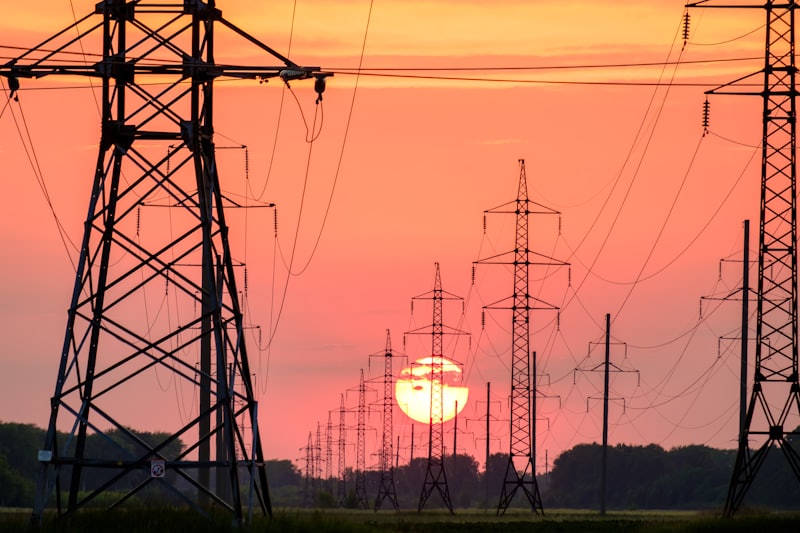
Using a Factory ESS to Shave the Evening Peak: The Payback Maths
The economics of ESS peak shaving come from the price gap between off-peak nighttime and peak hours. The April 2026 industrial rate reform widened that gap by elevating the evening 18:00-21:00 window to peak status. This piece uses an assumption-based example to cover the payback period before and after the reform, the site conditions where it works best, and available subsidies and tax benefits.
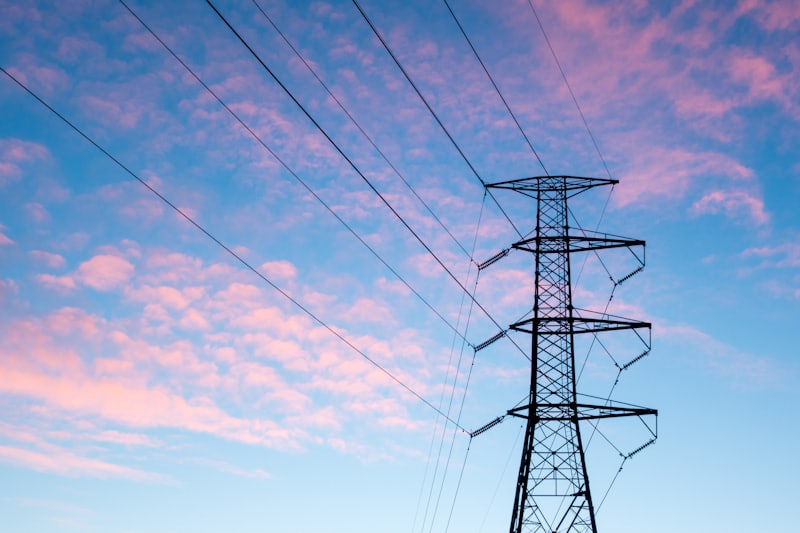
How to Read a Korean Industrial Electricity Bill and Find the Leaks
For an industrial electricity bill, you only need to check four things in order: contract power, maximum demand, usage by time band, and power factor. Nearly every sign of wasted power in a factory shows up in these four items. This piece points out where each item appears on the bill and which numbers signal waste, from a factory manager's point of view.

Where the Savings Sit by Sector: Semiconductor and Auto-Parts Suppliers
For semiconductor plants, 24-hour temperature and humidity control drives electricity costs; for auto parts plants, it's the morning peak and compressors. This piece covers how each industry's power consumption structure differs from general manufacturing, industry-specific savings points, three things both industries should check, and how much can actually be saved.

Korea's Industrial Electricity Tariff End to End: Basic Charge, Energy, Power Factor, Peak
Industrial electricity bills are made up of the basic charge, energy charge, power factor charge, climate and environment charge, and fuel cost adjustment. Starting from the basics, this piece covers how contract type and maximum demand shape the bill, whether lowering contract power is always a win, three real reasons rates are rising, and three things to check right now.

Five Ways to Cut a Korean Industrial Electricity Bill Without Buying Equipment
Before investing in solar or new equipment, here are five ways to cut electricity costs just by changing how you operate. This piece covers peak load spreading, using off-peak nighttime hours, power factor improvement, contract power optimization, and standby power management, from a factory operations standpoint. Most of these can be applied starting today at no extra cost.
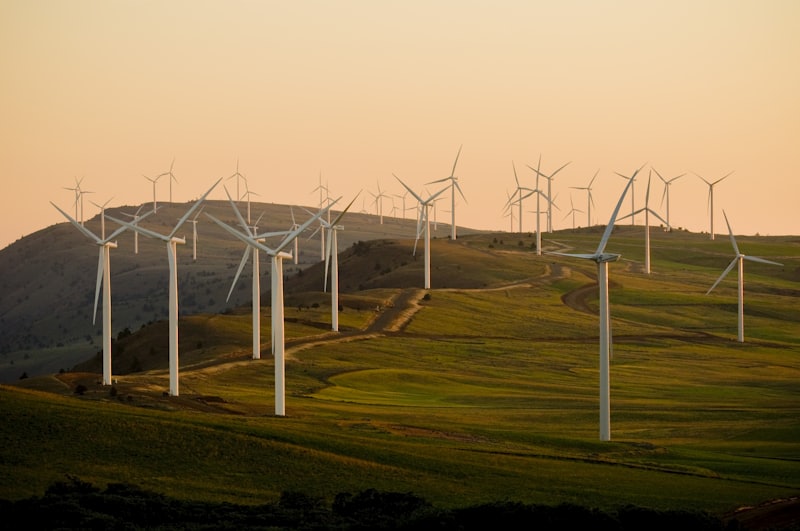
RE100 for Korean Semiconductor Suppliers: Where to Start
This piece covers what a supplier should do first after receiving an RE100 data request from a client. It's a 5-step roadmap you can start right away: from step 1, assessing your current status with 12 months of electricity bills and fuel usage records, through checking client requirements, diagnosing CBAM exposure, comparing implementation options, and a detailed bill analysis.