
Articles & Signals
Articles on K-RE100, KEPCO tariffs and CBAM
Explainers written for suppliers to Korean manufacturers, plus buyer and regulator announcements. 33 article(s) in total.
Contract Power vs Maximum Demand: Which One Can You Actually Manage?
Contract power is the equipment capacity you commit to in advance; maximum demand is the highest load actually recorded each month. This piece covers the two-track billing standard set out in Article 68 of KEPCO's Basic Terms of Supply, and the criteria for judging which of the two your factory should manage first.
One Peak Reading Can Hold Your Basic Charge for a Year
Maximum demand is the highest of the interval average power readings, and it sets the basis for the basic charge. This piece covers the 7 billing-target months set out in Article 68 of KEPCO's Basic Terms of Supply, the 30% floor on contract power, and the steps for checking and lowering the peak.
Contract Power: Why Your Plant Was Given That Number
Contract power isn't actual usage — it's a value set in advance from a factory's equipment capacity. This piece covers how the conversion-rate calculation in Article 20 of KEPCO's Basic Terms of Supply works, how to check it, and how contract power drives up the basic charge every month.
"We Make Semiconductors, So CBAM Isn't Our Problem" — Check Your Export Declaration First
CBAM applies by product (CN code), not by industry. Semiconductor devices and equipment aren't covered, but processed steel and aluminum products such as screws, bolts, and metal structures already are. This piece covers, based on the guidance for non-EU operators published by the European Commission, the steps for determining coverage using your export declaration certificate.
There Is a Ceiling on What a Buyer Can Ask: The Line the EU Omnibus Drew
The EU Omnibus revision put a cap on the ESG information a client company can demand from its suppliers. Suppliers with 1,000 or fewer employees cannot be required to provide information beyond the voluntary SME standard, and contract clauses that force this are unenforceable. This piece lays out the underlying provisions article by article.
EU CBAM Goes Live: What It Means for the Semiconductor Supply Chain
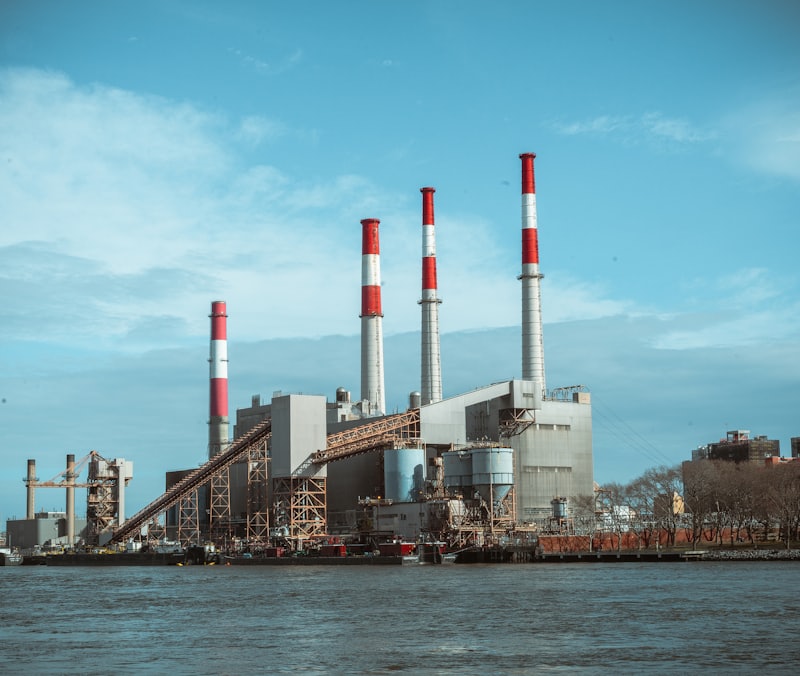
Finished semiconductor products aren't yet directly covered by CBAM. But as CBAM enters full implementation in 2026 and its scope expands to downstream products, the semiconductor supply chain is coming within reach of carbon-data requirements too. This piece covers CBAM's phase-in schedule, the products currently covered, and what to prepare now.
RE100 Criteria Changed Again: Three Things Korean Suppliers Should Check Now
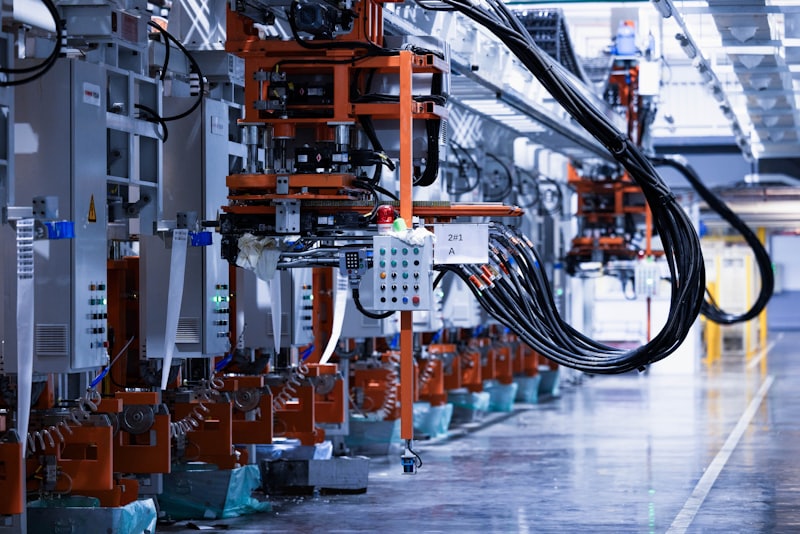
RE100 criteria are changing in three ways: a 15-year age limit on renewable energy assets, a tightened definition of the European single market, and mandatory proof of certificate cancellation. If you rely on PPAs and certificates, you'll need to prove which plant the power came from, when it was built, and that the certificate was actually cancelled. This piece covers when each change takes effect and what to check.
Rooftop Solar or Direct PPA: Which Pays Back Faster for a Korean Plant?
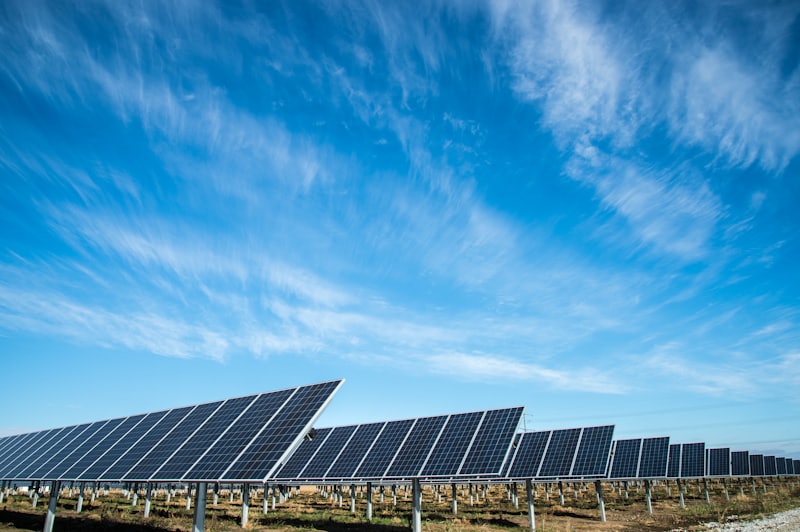
Factory rooftop self-generation and a direct PPA are both recognized as 100% RE100 solutions, and the choice comes down to three factors: site, capital, and how long the business will run. Using a 5,000MWh supplier example, this piece compares 20-year ROI, when combining self-generation with a PPA works best, and includes a 5-minute self-check.
K-RE100's Five Compliance Routes Compared: Which Mix Fits Your Plant
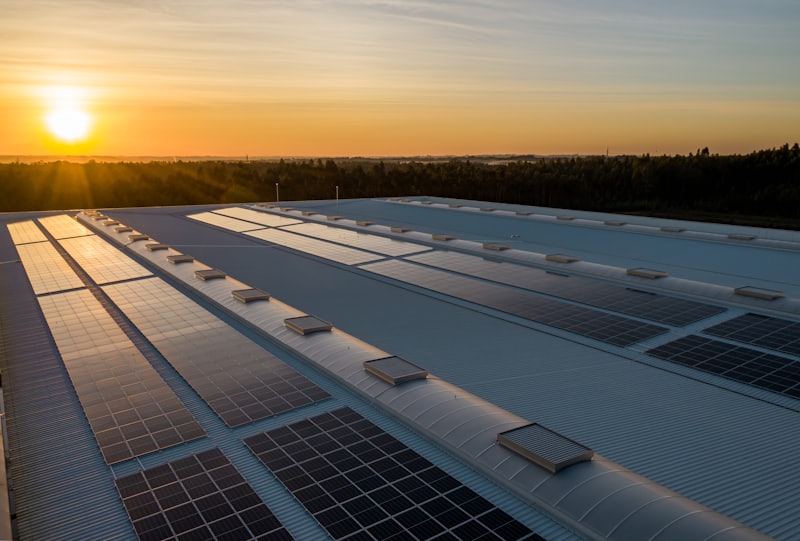
K-RE100 has five implementation options: green premium, REC purchase, third-party PPA, equity investment, and self-generation. This piece compares each option by cost, timeline, risk, and level of global recognition, and covers recommended combinations by company size and situation. RE100 isn't about picking one option — it's about designing a portfolio.
Scope 1, 2 and 3 in Five Minutes, Explained with a Pizza
Scope 1 is direct emissions, Scope 2 is indirect emissions from purchased electricity, and Scope 3 is emissions across the whole supply chain. Client companies demand data because their Scope 3 is structurally their suppliers' Scope 1 + 2. This piece covers the 15 categories and what small and mid-sized manufacturers should do first.
Work Out Your Factory's Scope 1-2 Emissions in Excel
With just 12 months of electricity bills and fuel usage records, a factory staff member can rough-estimate Scope 1 and 2 emissions in Excel. This piece covers the formula of multiplying usage by an emission factor, emission factors by fuel and by electricity, the step-by-step procedure, how to interpret the results, and five things that are easy to miss.

How Other Countries Are Answering CBAM, and What It Means for Korea
India, Türkiye, and China are each responding to the EU Carbon Border Adjustment Mechanism (CBAM) in their own way. This piece compares the three countries' national and industry-level moves and, focusing on direction rather than individual company figures, covers the implications for Korean exporters and supply-chain companies and what to do first.